

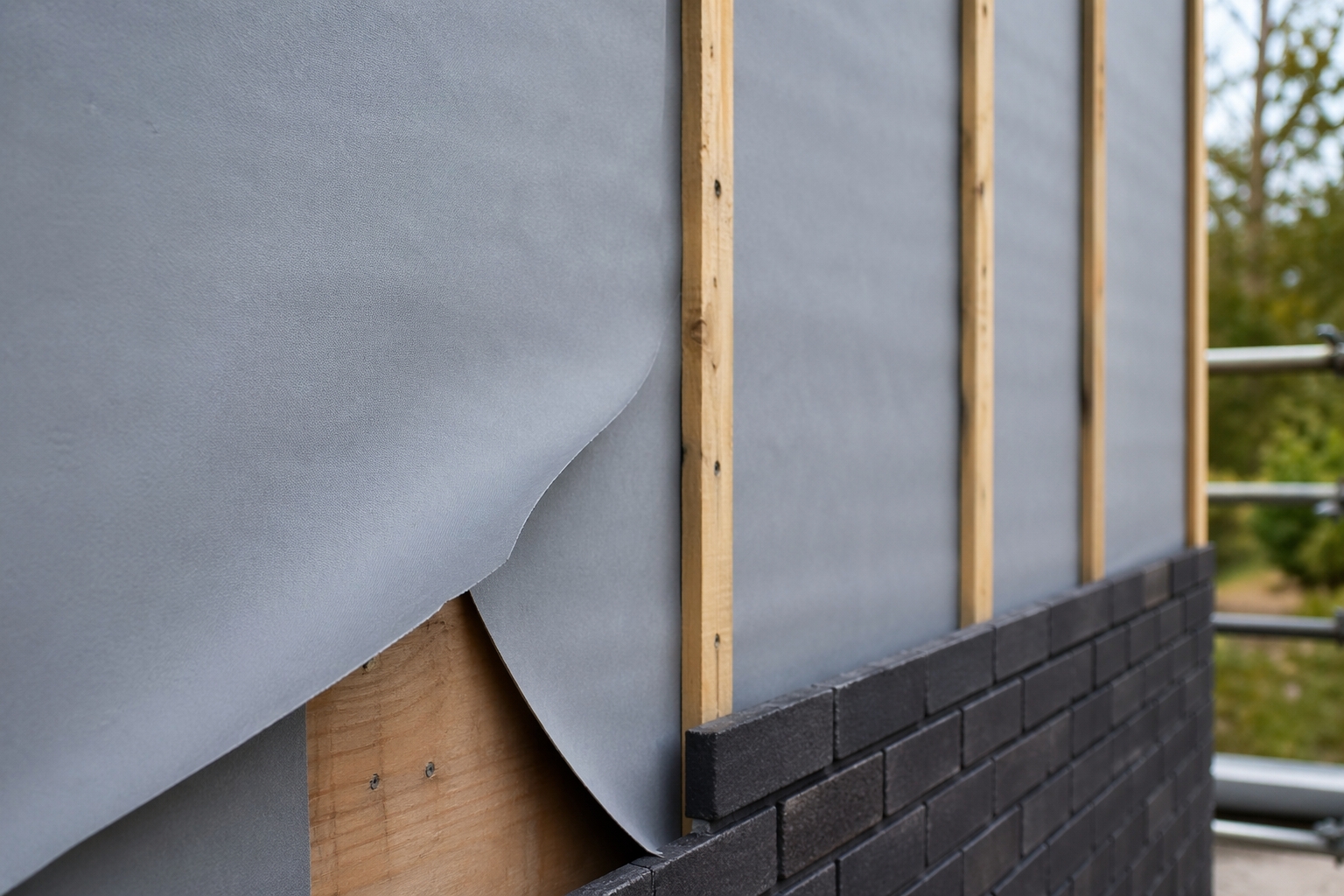
Moisture is one of the biggest threats to a building’s long-term performance — and as envelopes become more airtight, managing it has never been more critical. Vapor-permeable membranes are a part of how modern assemblies meet that challenge: they allow moisture vapor to escape while keeping liquid water out, protecting structure, insulation and indoor air quality from the inside out.
Used across commercial and residential construction, the right membrane reduces the risk of mold, rot and structural degradation, without sacrificing the breathability that high-performance assemblies depend on. Selecting and installing one correctly is the difference between an envelope that endures and one that quietly fails.
Key Considerations When Specifying Vapor-Permeable Membranes
Choosing the right vapor-permeable membrane is not as simple as selecting a product off the shelf. It requires a clear understanding of the building’s design, climate conditions and intended performance outcomes.
Architects, engineers, consultants and contractors must evaluate how the membrane will interact with the rest of the building envelope to ensure long-term success.
Choosing The Right Material
Different projects demand different performance characteristics. In commercial buildings, vapor-permeable membranes are often exposed to larger structural loads, higher air pressures and more complex wall assemblies.
Residential applications, on the other hand, may prioritize ease of installation and cost efficiency while still requiring strong moisture control.
Material selection should consider permeability rates, tensile strength, UV resistance and compatibility with cladding systems. A well-matched vapor-permeable membrane ensures that moisture can escape without compromising the structure’s protective barrier.
Compliance with North American Building Codes
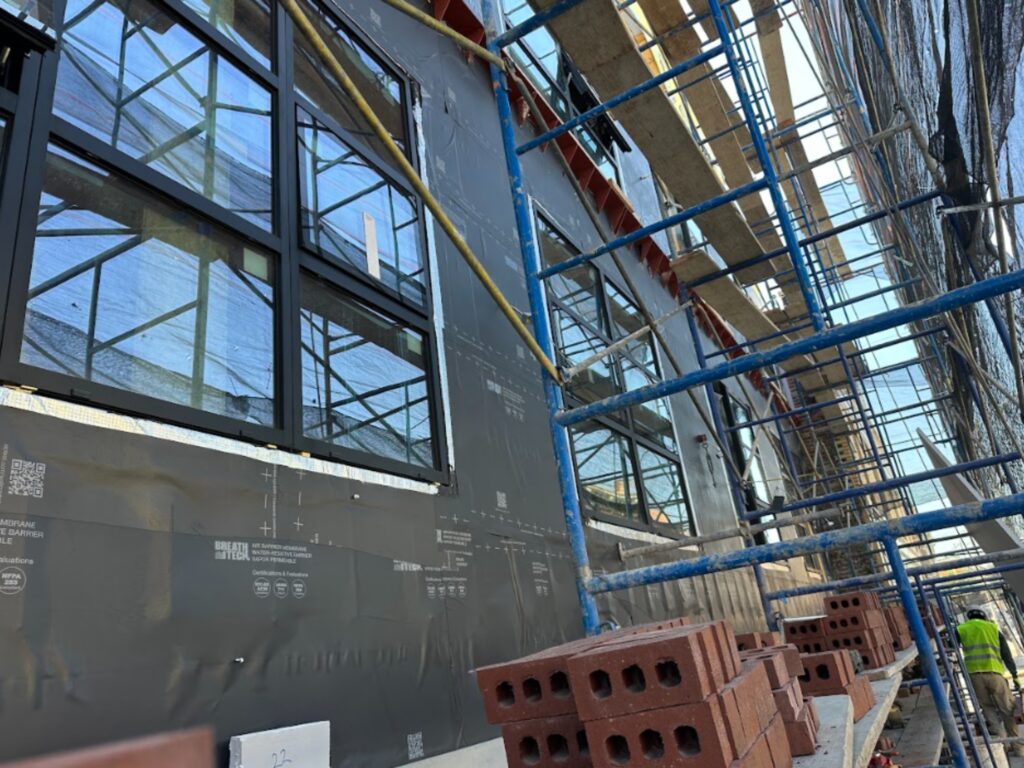
Compliance is a critical factor when specifying any component of the building envelope. In North America, building codes such as the International Building Code (IBC) and local energy codes define minimum performance requirements for air and moisture barriers.
A compliant vapor-permeable membrane must meet standards for air leakage resistance, water penetration resistance and vapor transmission rates. Ensuring code compliance not only avoids regulatory issues but also supports long-term building durability and performance reliability.
Performance Testing and Standards
Before a vapor-permeable membrane is used in a project, it should be evaluated against recognized performance standards. These often include ASTM testing methods for water resistance, vapor transmission and tensile strength.
Performance testing confirms that a membrane will function as intended within the building envelope, and gives specifiers a reliable, objective basis for comparing products. It cuts through marketing claims with measurable data.
Best Practices for Installing Vapor-Permeable Membranes
Even the highest-quality vapor-permeable membrane can fail if it’s not installed correctly. Installation best practices are essential to ensure the membrane performs as part of a complete moisture management system.
Surface Preparation and Handling
Successful installation begins with proper surface preparation. The substrate should be clean, dry and free of debris before applying the membrane. Any irregularities in the surface can compromise adhesion or create weak points where moisture can enter.
Handling is equally important. Vapor-permeable membranes should be stored in dry conditions and protected from excessive UV exposure before installation. Careful handling prevents punctures, tears or contamination that could reduce performance.
Seam Sealing and Fastening Techniques
Seams are one of the most critical areas in any membrane system. Proper sealing ensures continuity across the building envelope and prevents air and moisture infiltration. High-quality tapes or adhesives designed specifically for vapor-permeable membranes should be used to create airtight and watertight joints.
Fastening methods must also be carefully considered. Overdriving fasteners can damage the membrane, while under-fastening can lead to detachment under wind loads. Following manufacturer guidelines for spacing and attachment methods is essential for long-term stability.
Avoiding Common Installation Pitfalls
One of the most common mistakes in membrane installation is improper overlap at joints. Insufficient overlap can create vulnerable points where water can penetrate the system. Another frequent issue is ignoring transitions around windows, doors and penetrations, which require additional detailing and sealing.
Environmental conditions during installation also matter. Installing membranes in wet or extremely cold conditions can reduce adhesion and compromise performance. Following all recommended installation practices ensures the system functions as designed within the building envelope.
Maintenance and Lifecycle Recommendations
While vapor-permeable membranes are designed for long-term durability, periodic inspection and maintenance are still important to ensure ongoing performance. Over time, environmental exposure, structural movement and aging materials can affect membrane integrity.
Inspecting Membrane Integrity
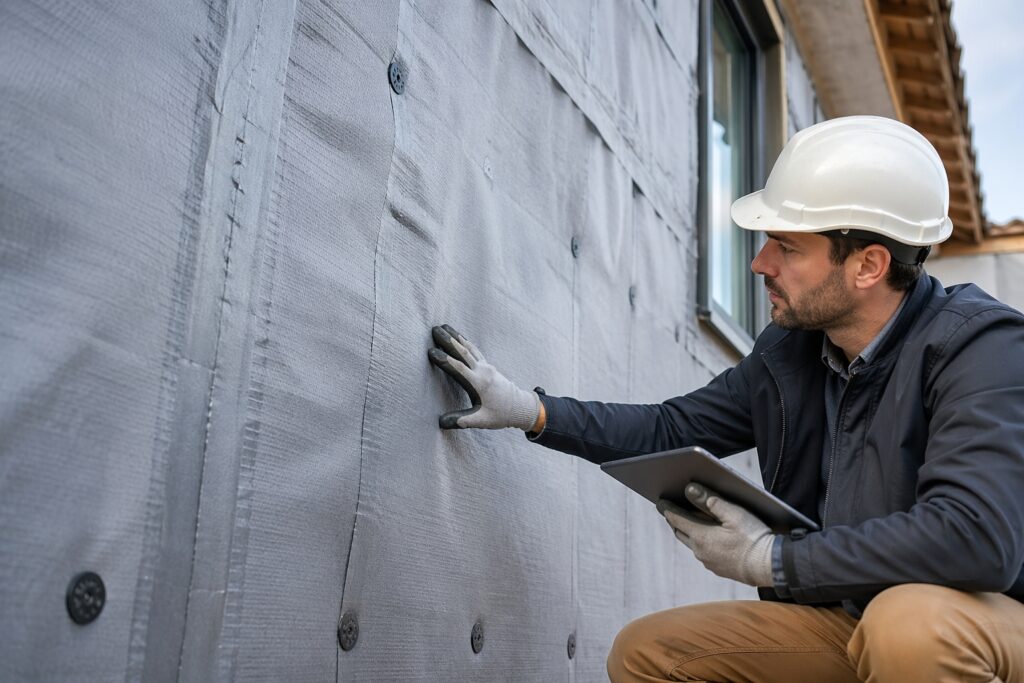
Routine inspections should focus on identifying signs of damage such as tears, punctures or separation at seams. In commercial buildings, inspections may be conducted as part of scheduled building maintenance, while residential inspections often coincide with roof or siding evaluations.
Early detection of issues allows for timely repairs and helps maintain the effectiveness of the moisture control system.
Addressing Minor Repairs Before Major Damage
Small defects in a vapor-permeable membrane can quickly escalate if left unaddressed. Minor repairs, such as patching small tears or resealing seams, should be completed as soon as they’re identified.
Using compatible repair materials is essential to ensure the repaired area maintains the same performance characteristics as the original membrane. Quick intervention helps prevent moisture intrusion into the building envelope, protecting insulation and structural components.
Maximizing Roof and Wall Lifespan
A well-installed and properly maintained vapor-permeable membrane significantly extends the lifespan of roofs and wall assemblies. By allowing controlled vapor diffusion while blocking liquid water, these membranes reduce the risk of trapped moisture that can lead to deterioration.
When combined with proper insulation, ventilation and exterior cladding, vapor-permeable membranes contribute to a balanced and resilient building envelope that performs efficiently over time.
Protect the Envelope. Protect the Building.
Vapor-permeable membranes aren’t just a spec-sheet checkbox — they’re a foundational line of defense in any serious moisture management strategy. Get the selection, installation and maintenance right, and you’re investing in a building envelope that protects occupants, preserves structure and performs for decades.
The difference between a building that endures and one that doesn’t often comes down to decisions made before the cladding goes on. Material choice, compliance, detailing and long-term upkeep all matter, and so does having the right partner.
Ready to build smarter? Contact Daramic today and find out how the right vapor-permeable membrane system can meet your performance targets, satisfy compliance requirements and stand the test of time.