

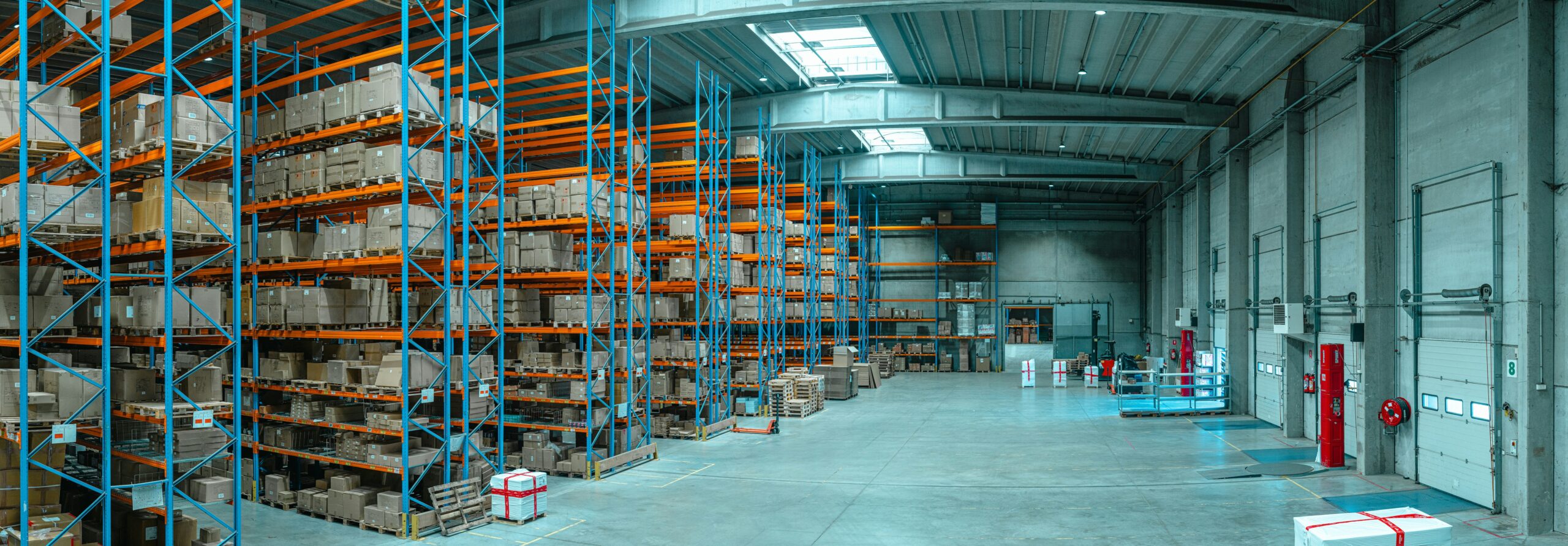
Builders and contractors need vapor-permeable membranes they can count on — for roofing, wall systems, structural work, whatever the job calls for. That means two things: the material has to perform, and the supply chain has to hold up. Miss either one and the schedule slips.
Below, we break down where membrane supply chains tend to break down, and what OEMs and consultants can do about it, from sourcing decisions to day-to-day delivery.
Common Supply Chain Challenges in Membrane Manufacturing
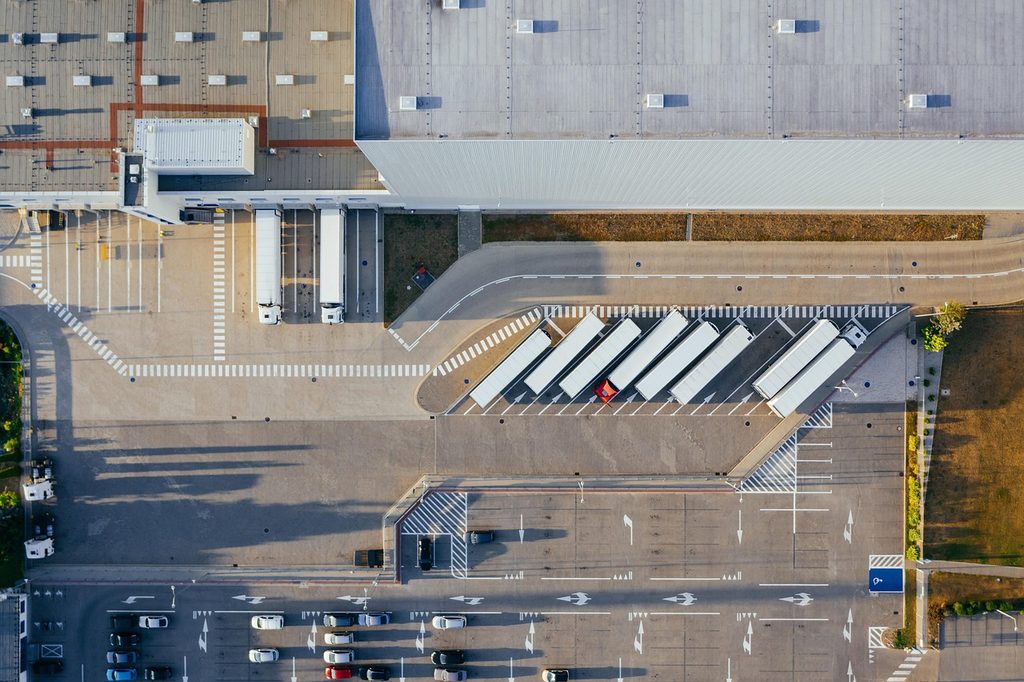
Building wrap has changed a lot since the early days of the industry. Vapor-permeable membranes are now standard on job sites for moisture management. But making them isn’t simple, and supply chains hit real hurdles that can affect how well a building envelope performs and holds up over time.
Delays and Lead Times
One of the biggest challenges in membrane manufacturing is lead time. These are engineered materials, so producing them takes several stages — film formation, pore structuring, quality testing — and each one has to be controlled carefully to get the air and water barrier properties right.
Delays happen for all kinds of reasons. Raw material shortages are a common culprit, but equipment breakdowns and other production hiccups can slow things down just as much.
Either way, the impact shows up on job sites. Builders end up waiting on materials, costs creep up and schedules slip. If a crew is waiting on wall wrap or roofing underlayment, the building envelope sits exposed to the elements longer than it should.
Quality Variations
A membrane is only as good as the materials and pore structure behind it. Small shifts in film composition or processing conditions can change how well it holds out water, transfers vapor or stands up to UV, and any of those can lead to moisture problems or early failure.
Batch-to-batch differences and inconsistent supplier standards cause the same kind of trouble. Without strict quality control, there’s a real risk of ending up with membranes that don’t meet spec. That’s a costly problem on projects like flat roofing or rainscreen systems, where long-term weather resistance really matters.
Regional Availability
Not every manufacturer operates at scale. A lot of them run production out of one region, which means builders further away deal with longer lead times, higher shipping costs and less access to newer membrane technology whenever something disrupts that local supply.
A global manufacturing footprint solves this. Spreading production across regions means demand stays balanced, disruptions get absorbed faster and advanced membrane technology stays available no matter where a project is located.
How BreathTech® Ensures Reliable Supply
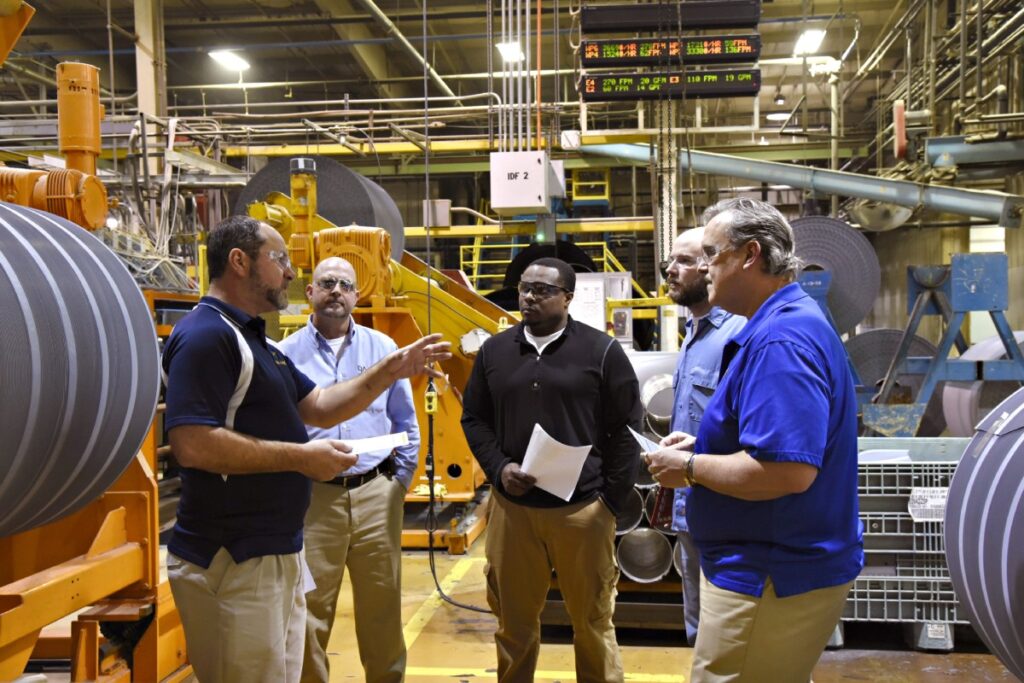
BreathTech® is backed by Daramic’s 90+ years in membrane science and manufacturing, and that experience shows in how the company handles these supply chain challenges.
Global Manufacturing Network
BreathTech® taps into Daramic’s global footprint of seven manufacturing facilities and seven sales offices around the world to keep lead times short and availability high — no matter where a project is located. Each facility is set up with advanced production methods and its own quality assurance systems.
Running production across multiple locations means that demand stays balanced and disruptions get handled faster. That’s what keeps membranes available to builders and consultants when they actually need them.
Standardized Quality Controls
Every step of BreathTech®’s manufacturing process runs through strict, standardized quality control, from raw material selection to fabrication to final testing. That means every membrane hits real performance benchmarks:
- moisture vapor transfer above 150 perms (ASTM E96-B)
- water resistance above 900 cm (AATCC-127).
Testing and failure analysis catch problems early, before they ever reach a job site. That keeps performance consistent and every membrane at or above code requirements.
Best Practices for OEMs and Consultants

OEMs and consultants play a big part in keeping membrane supply consistent and reliable. A few best practices can go a long way toward strengthening sourcing and improving how well the building envelope performs.
- Partner with expert manufacturers known for their science expertise and manufacturing dependability. These partnerships provide access to advanced materials and technologies that improve water holdout and vapor permeability.
- Conduct quality and performance testing to help catch any potential issues early and prevent the installation of subpar membranes. This proactive approach lowers the risk of moisture intrusion and keeps projects running smoothly.
- Build redundancy into your material planning by keeping extra rolls of your most critical membranes on hand. This can save a project when supply chain hiccups hit.
- Stay up to date on membrane technology and manufacturing advances that can optimize moisture management and long-term durability.
- Keep in touch with your membrane manufacturer so you’ll know about delays or changes ahead of time. This makes it a lot easier to plan around them.
Building a Reliable Membrane Supply Strategy
Keeping vapor-permeable membranes in steady supply without cutting corners on quality takes a real strategy. BreathTech® shows what that looks like in practice: a global manufacturing network, strict quality controls and reliable delivery, all working together to keep projects on schedule.
Ready to secure a more reliable membrane supply? Contact BreathTech® today to speak with one of our experts.